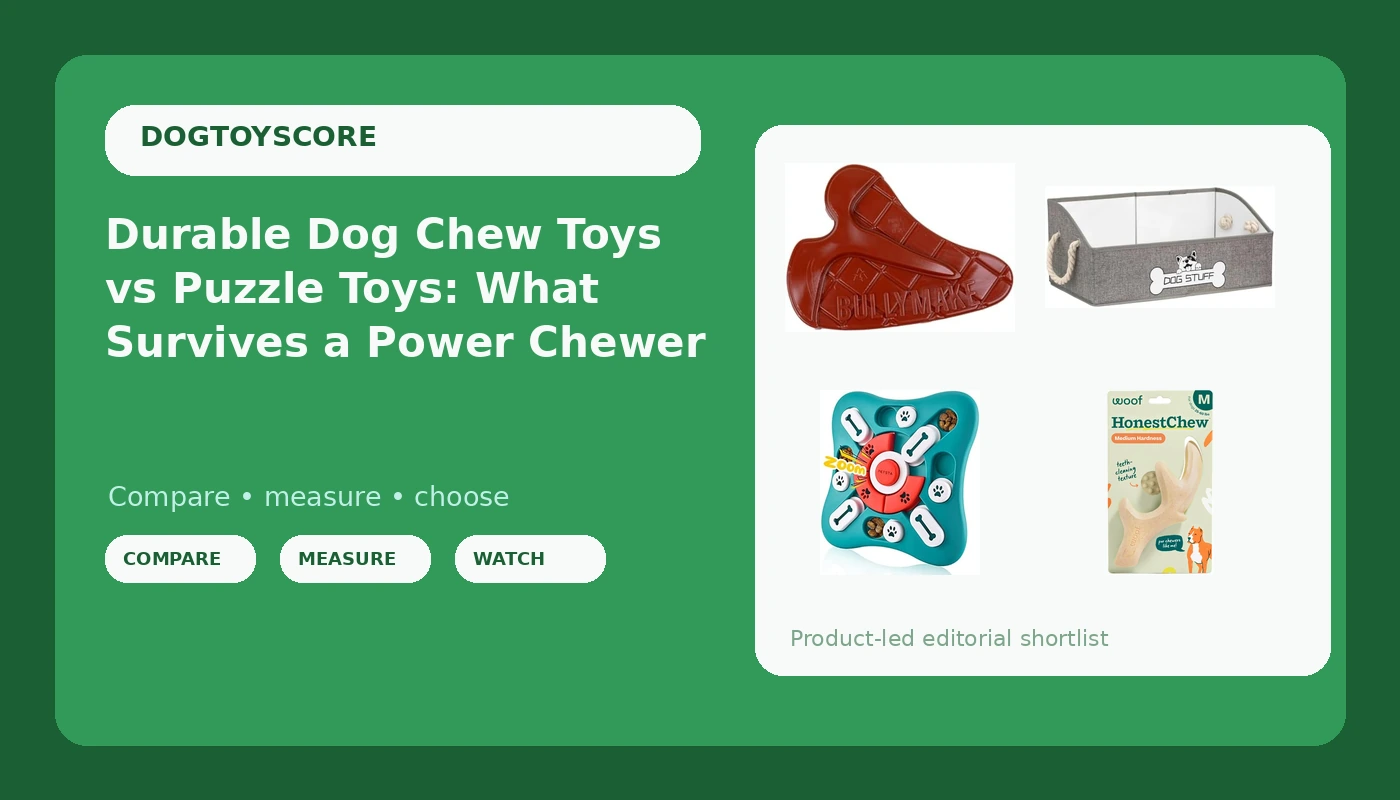
There is a shelf in my living room that functions as a warning label. Eleven years as a trainer, six of them spent specifically with puppies and dogs that redecorate your baseboards, and every toy that failed ends up on that shelf: shredded plush frogs, chews that died in an afternoon, and more than one squeaker that came out the other side of a surgery I did not want to pay for. So when someone asks me to compare gear, I do not start with the marketing copy. I start with what a determined dog does to it in the first 72 hours.
This comparison covers four very different pieces of equipment: two durable dog chew toys built for heavy jaws, one treat dispensing puzzle for mental work, and the storage bin that makes a toy rotation actually function. They are not competing for the same job, and that is the point. Buying the wrong one for your dog's chew style is how people end up on my porch asking whether a vet can reattach a molar.
Related: Dog Toy Rotation: How Many Toys Does Your Dog Actually Need
If you only buy two things from this list, buy the BULLYMAKE Tough Chew Steak for the dog who destroys everything and the PETSTA puzzle for the dog whose brain is the actual problem. The WOOF HonestChew Antler fills the middle ground for a 25 to 60 pound dog, and the collapsible basket is the unglamorous purchase that keeps the other three in rotation instead of scattered across your floor.
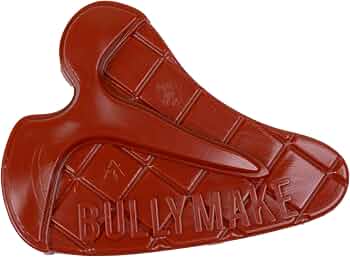
BULLYMAKE Tough Chew Steak Toy for Dogs, Durable Nylon, Aggressive Chewers
Dense nylon built for the exact dog most toys lie to, holds up as a boredom chew in a kennel setting
Nylon wears down into sharp edges over time, so it needs monthly inspection and eventually replacement
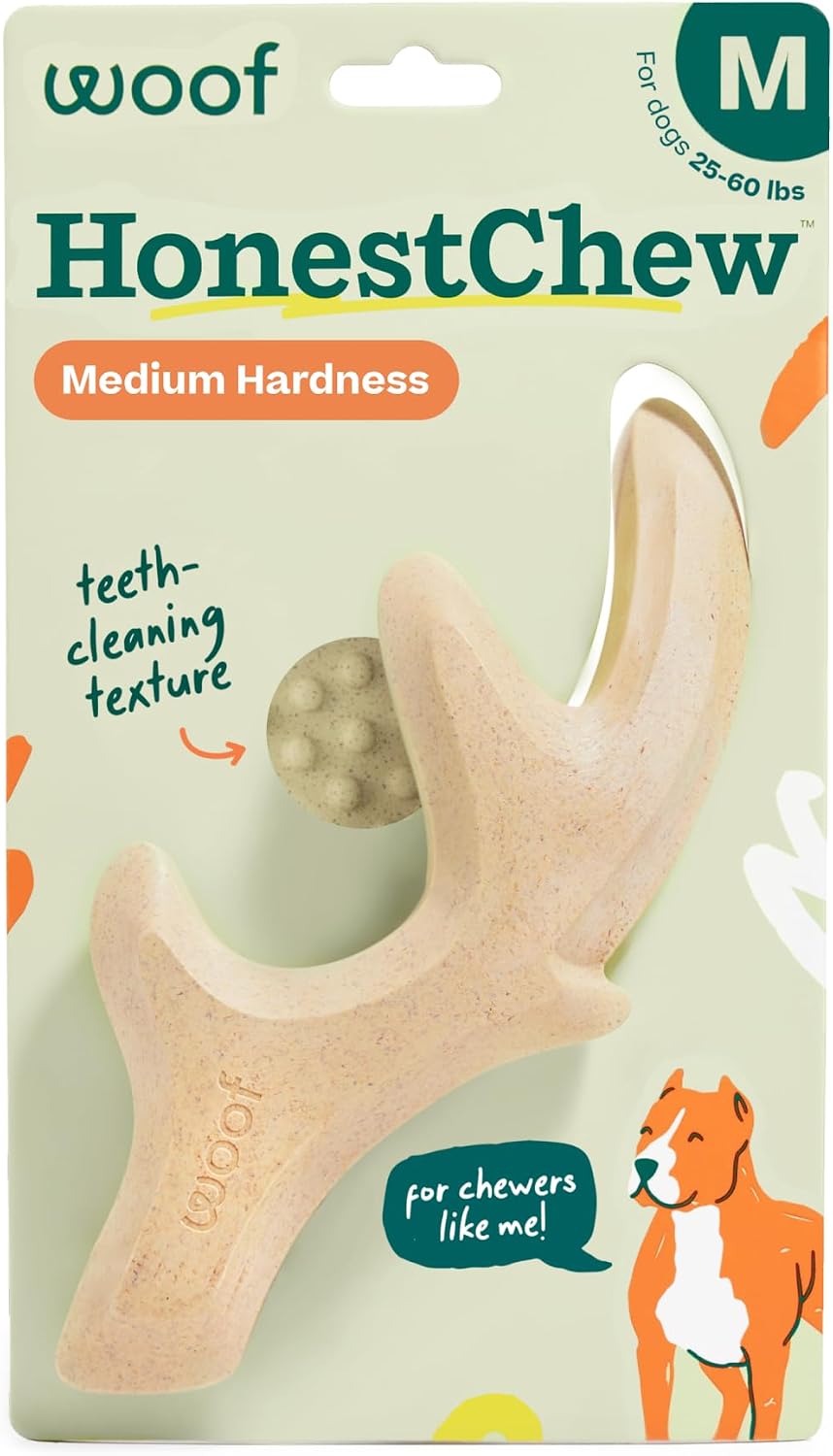
WOOF HonestChew Antler Dog Chew Toy for Dogs 25-60 lbs
Long lasting natural chew with a size range that actually matches a mid size jaw
Antler is hard, so it is wrong for seniors, puppies with baby teeth, and any dog with a history of slab fractures
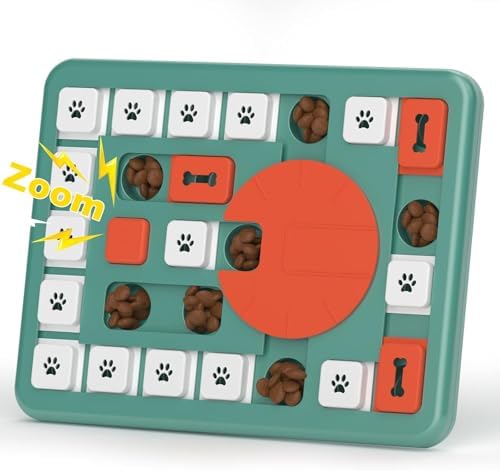
PETSTA Dog Puzzle Toys, Treat Dispensing Dog Enrichment Toys for IQ Training and Brain Stimulation
Turns a meal into a job, which is the fastest way to tire out a smart dog without miles of walking
Not a chew toy, and a determined chewer will treat it as one if you leave it down unsupervised
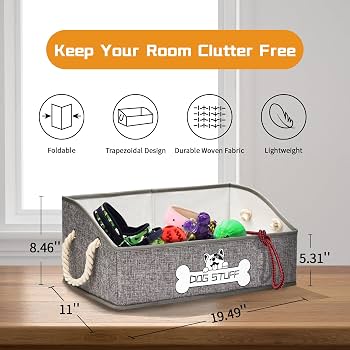
Dog Toy Basket, Storage Bin, Collapsible Box for Pet Accessories
Collapses flat when the kennel empties out, keeps a rotation visible instead of buried under a couch
Fabric construction is a target for dogs who shred textiles, so it does not belong on the floor of a shredder's room
Prices and availability were captured from Amazon Creators API and may change.
How I test
My standard is 72 hours with real dogs, and I mean dogs with no manners. My boarding kennel runs out of my house, so anything I put down gets worked over by animals that are stressed, bored, and not being supervised by their own owner. That is a harsher test than any living room.
I score on three things. First, does the toy hold its shape, or does it start shedding material in a way that ends up in a stomach? Second, is the size right for the jaw in front of me? A chew sized for a Lab is a choking hazard for a Frenchie, and I do not care what the package says about breeds. Third, would I hand it to a client's puppy while that client steps out of the room? If the answer is no, it does not get recommended as an unsupervised toy.
My destruction score is simple: minutes until a toy is compromised. Under 10 minutes with a power chewer is a fail. Between 10 and 60 minutes means supervised only. Anything that survives past an hour of real chewing has earned a spot in the rotation. I do not have a laboratory, and I am not going to pretend the numbers are peer reviewed. They are notes from a woman with too many dogs and a very honest shelf.
The chew toys: nylon versus antler
These two are the closest thing to head to head competitors on this list, and they are still not interchangeable.
The BULLYMAKE Tough Chew Steak is dense nylon, marketed directly at aggressive chewers, which is the category where most products lie. Nylon is the material I trust most for a dog that has already destroyed something labeled tough, because it fails slowly. It does not shatter, it wears. That matters: a worn nylon chew gives you visible warning before it becomes a problem. You can run a thumbnail along the edge and feel the difference between slightly textured and actually sharp.
The catch with any nylon chew is that the warning signs are your job. Check the edges weekly, and replace the toy when it develops points or deep gouges. A power chewer will get there eventually. That is not a defect, that is physics. I would rather replace a $20 chew every couple of months than pay for a foreign body surgery.
The WOOF HonestChew Antler is the opposite approach: a natural material, sized for dogs 25 to 60 pounds, which is a range I appreciate because it tells me the jaw it was designed around. Antler is hard, holds flavor longer than most flavored nylon in my experience, and takes forever to wear down, which is exactly what some owners want. One antler can outlast three nylon chews.
Here is where I get blunt. Antler is hard enough that I do not hand it to puppies with baby teeth, seniors with worn enamel, or any dog with a history of tooth fractures. I have watched a dog crack a molar on a chew that was sold as a healthy natural alternative, and the vet bill started at four figures before the anesthesia. If your dog has a delicate mouth, the nylon is the smarter choice even though it is the less romantic one. If your dog has a jaw like a hydraulic press, the antler is the one that will still be there next month.
Neither is a good fit for a dog who swallows pieces instead of grinding them down. That dog needs supervision and a different category entirely.
The enrichment pick: PETSTA puzzle
Most behavior complaints I get are not training problems. They are boredom problems wearing a costume. A dog who digs the couch apart at 4 p.m. is often a dog who ate breakfast out of a bowl in 90 seconds and then had nothing to do for eight hours.
The PETSTA puzzle is a treat dispensing toy built for IQ training and brain stimulation, and that framing is exactly right. This is not a chew. It is a job. You load it, you put it down, and your dog has to work out how to get the food out. Ten minutes of problem solving does more for a dog's mental state than a long walk does for some high drive breeds, and that is the honest case for owning at least one puzzle toy even if you already have a bin full of chews.
The failure mode is obvious and it is user error. People leave puzzle toys down all day, the dog solves it, gets bored, and then chews the plastic because it is now the only thing in the room. Puzzle toys are not indestructible and they are not meant to be. They come out, your dog works them, treats get eaten, and the toy goes back on the shelf. A determined chewer left alone with a puzzle toy will turn it into confetti, and that is on you, not the manufacturer.
The other thing worth saying: puzzle toys are not just for puppies, and they are not just for smart dogs. They are for any dog who needs a slower, more interesting meal. I have used treat dispensing toys with eight year old couch potatoes who barely lift their heads for a walk. They still want to work for food. Every dog does.
The unglamorous one: the storage bin
Nobody writes a love letter to a storage bin, so I will keep this short and practical.
The Dog Toy Basket is a collapsible box for pet accessories, and its real value has nothing to do with aesthetics. It is the difference between a rotation and a pile. Rotation works because toys get put away and brought back out, and the return is what makes them feel new again. Three toys on rotation outlast ten toys dumped in a basket, because a dog who sees the same ten toys every day stops caring about all ten.
A bin that collapses flat also matters in a small house or a kennel setup where space gets repurposed. When the boarders go home for the week, the bin folds up and the floor comes back.
The honest caveat: fabric construction plus a dog who shreds textiles equals a bad afternoon. If your dog eats blankets, put this bin on a shelf they cannot reach, or skip it entirely and use a hard sided container. Storage is for you, not for the dog, and it should never be the most interesting thing in the room.
The trade-offs, stated plainly
Every one of these items is wrong for somebody, so here is the part the marketing pages skip.
The nylon chew is wrong for the dog who swallows chunks rather than grinding. It is also wrong for the owner who will not inspect it monthly. A worn chew that nobody checks is more dangerous than no chew at all.
The antler is wrong for puppies, seniors, and any dog with a dental history. It is also the slowest reward of the four, which means an impatient dog may ignore it in favor of something more interesting. Chews that last forever are not always chews your dog wants.
The puzzle toy is wrong for an unsupervised power chewer, full stop. It is also wrong for a dog who gets frustrated easily unless you start at an easy difficulty and build up. Dumping a hard puzzle in front of a beginner dog teaches learned helplessness, not problem solving.
The bin is wrong for shredders and wrong for anyone expecting it to solve the toy clutter problem by itself. It holds toys. It does not enforce a rotation schedule. That is your job, and it takes about four minutes a week.
Who should buy which
Get the BULLYMAKE Tough Chew Steak if you have a heavy chewer who has already destroyed something labeled indestructible, and you are willing to check the edges weekly. This is my default recommendation for the power chewer category.
Get the WOOF HonestChew Antler if your dog is in that 25 to 60 pound range, has healthy teeth, and you want a chew that lasts long enough to feel worth the money. Skip it for puppies and seniors.
Get the PETSTA puzzle if your dog's problem is boredom, not jaw strength. This is the one that fixes the behavior complaint I hear most, and it costs less than one session with me.
Get the storage bin if your rotation has collapsed into a pile on the floor. It is the least exciting purchase here and the one that makes the other three work.
What I am testing next
I have six brands of 2026 teething toys in the kennel right now, forty puppies across twelve weeks, and a stopwatch. The marketing says soothing. My notes say otherwise for most of them, and I am tracking a destruction score for every single one. When that round wraps up, I will have a straight answer about which teething toys survive a puppy and which ones are a vet bill with a bow on it.
Until then, the rule holds: no toy gets a recommendation from me without 72 hours on real dogs, and no toy is safe for all dogs. Size and chew style always matter more than the label. If you take one thing from this comparison, take that.