Related: Best Dog Chew Toys for Aggressive Chewers
Every trainer I know keeps a shelf of failures. Mine is in the living room at eye level, where clients can see it. Split rubber, gutted plush, a rope that has become three ropes, and a jar with one squeaker in it because I pulled that squeaker out of a dog. Eleven years of training, six of them spent on puppies and destructive chewers, and that shelf is still the most honest thing I own.
So when someone asks me to recommend dog toys for power chewers, I do not start with a brand. I start with a jaw. A toy that a 90-pound Lab works over for a month is a choking hazard for a 12-pound Frenchie. A toy that a Frenchie cannot dent is a toothache waiting to happen for a senior dog. Size and material first, brand last. That order has saved more dogs than any single product I have ever handed a client.
What follows is what I keep in rotation, how I test it, and the reference table I use when a client is standing in my kitchen with a credit card and a puppy who just ate the corner of the couch.
What "power chewer" actually means
A power chewer is not a big dog. It is a dog that can compromise a standard toy in under an hour. I have met 20-pound terriers who qualify and 100-pound couch potatoes who do not. The test is commitment, not weight.
The other thing people get wrong is assuming chewing is a behavior problem. Most of the time it is enrichment debt. A tired brain chews less furniture. If your dog is destroying the baseboards, the answer is usually a better chew and a longer walk, not a scolding.
That said, some chewing needs to be redirected rather than satisfied, and that is where a deterrent earns a place in the rotation. Not instead of a chew toy. Alongside one.
Super Durable Dog Ball: best for the dog who kills everything
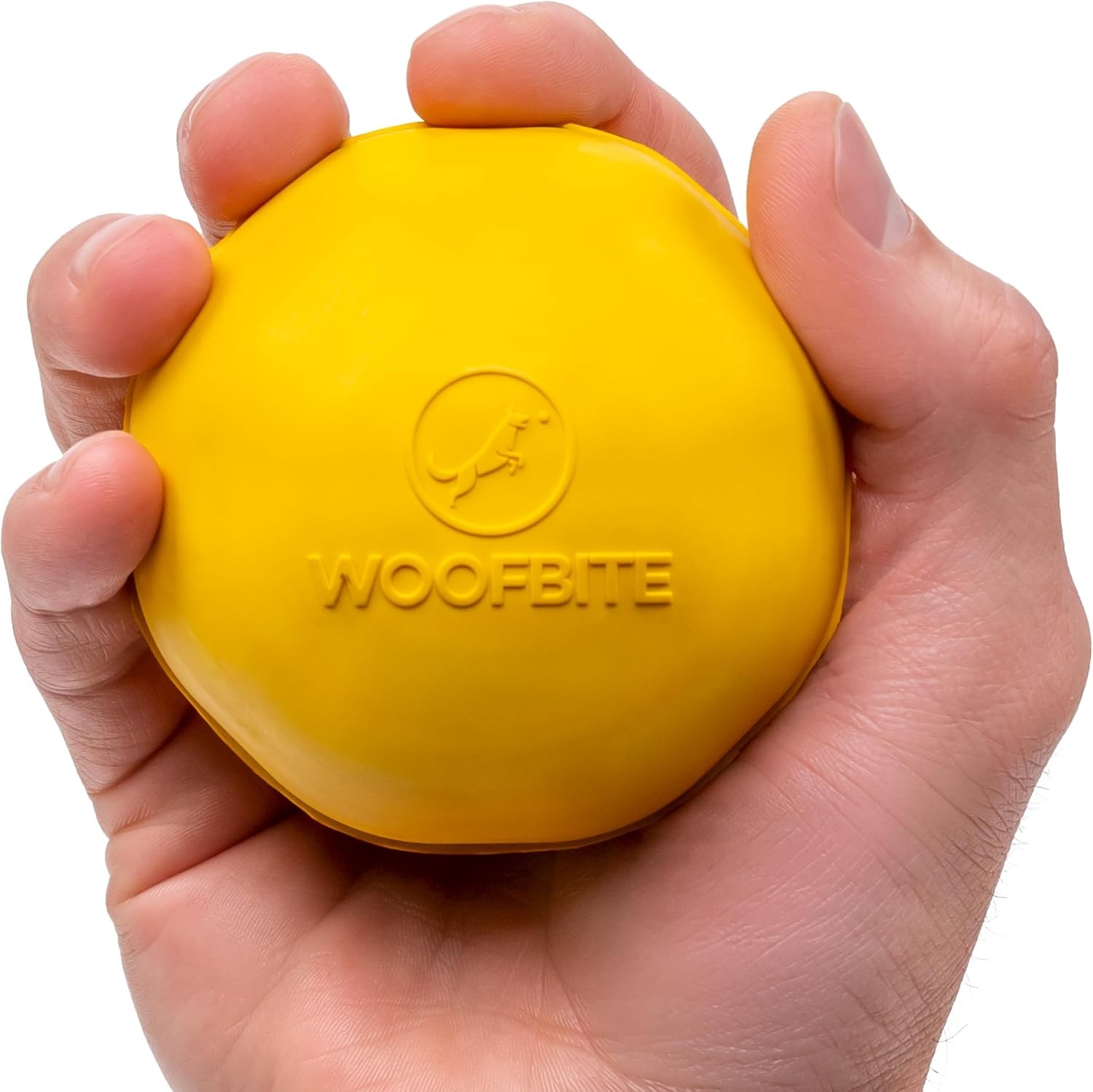
If I had to hand one toy to the owner of a genuine power chewer, it would be this one. It is heavy duty natural rubber, sized for medium and large dogs, and it does the two things a chew toy has to do to survive a kennel: it gives when the jaw closes, and it has nothing inside it to lose. No squeaker. No hollow core that collapses. No seams to split.
The shape matters as much as the rubber. A ball rolls, so it turns a chewing session into a chasing session, and chasing burns more energy than chewing ever will. It also means the toy does not sit in one spot getting destroyed. It moves, the dog follows, and the wear spreads out.
Size it honestly. If your dog's jaw opens wider than the ball, this is not the toy for them, no matter what the listing says about aggressive chewers. That is true of every ball ever made.
Pupstages Dogwood Stick: best for the chewer who likes wood
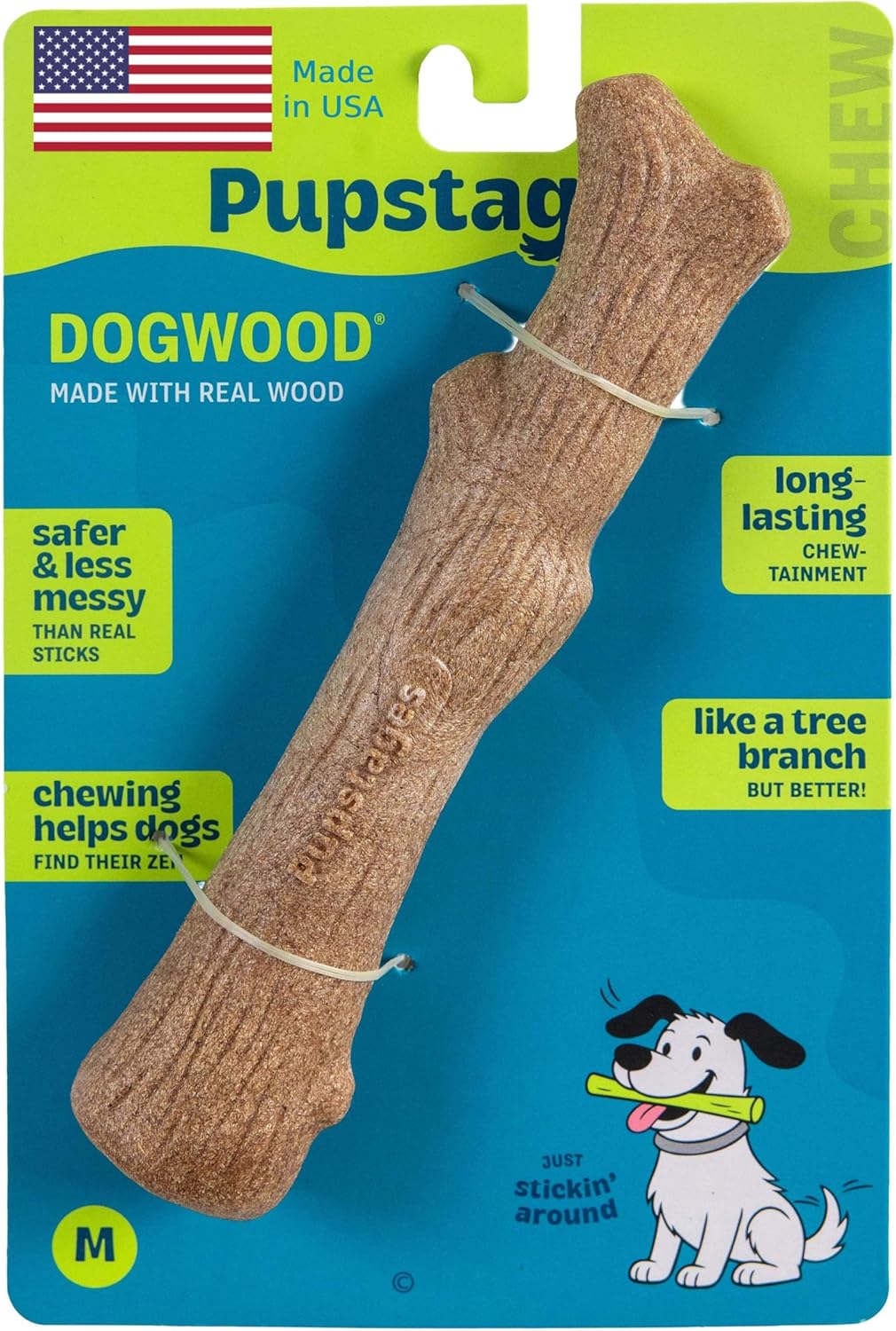
Dogs who go after furniture, table legs, and mulch are usually looking for a texture, not a flavor. The Dogwood Stick from Pupstages is made in the USA and gives those dogs a legal version of the thing they already want. It comes in medium, 7.4 inches.
Here is the honest part. A wood-style chew does not behave like rubber. It wears down. It leaves pieces. That is the design, not a defect, and it is exactly why this toy stays on my supervised list instead of the leave it in the crate pile. You pick up the pieces the way you would with any natural chew, and you retire it when it gets short enough to swallow.
For the dog who ignores every rubber toy on the shelf, this one is worth trying. Texture preferences are real and you cannot argue a dog out of them.
Cutie Chewies Hedgehog: best for puppies and fetch
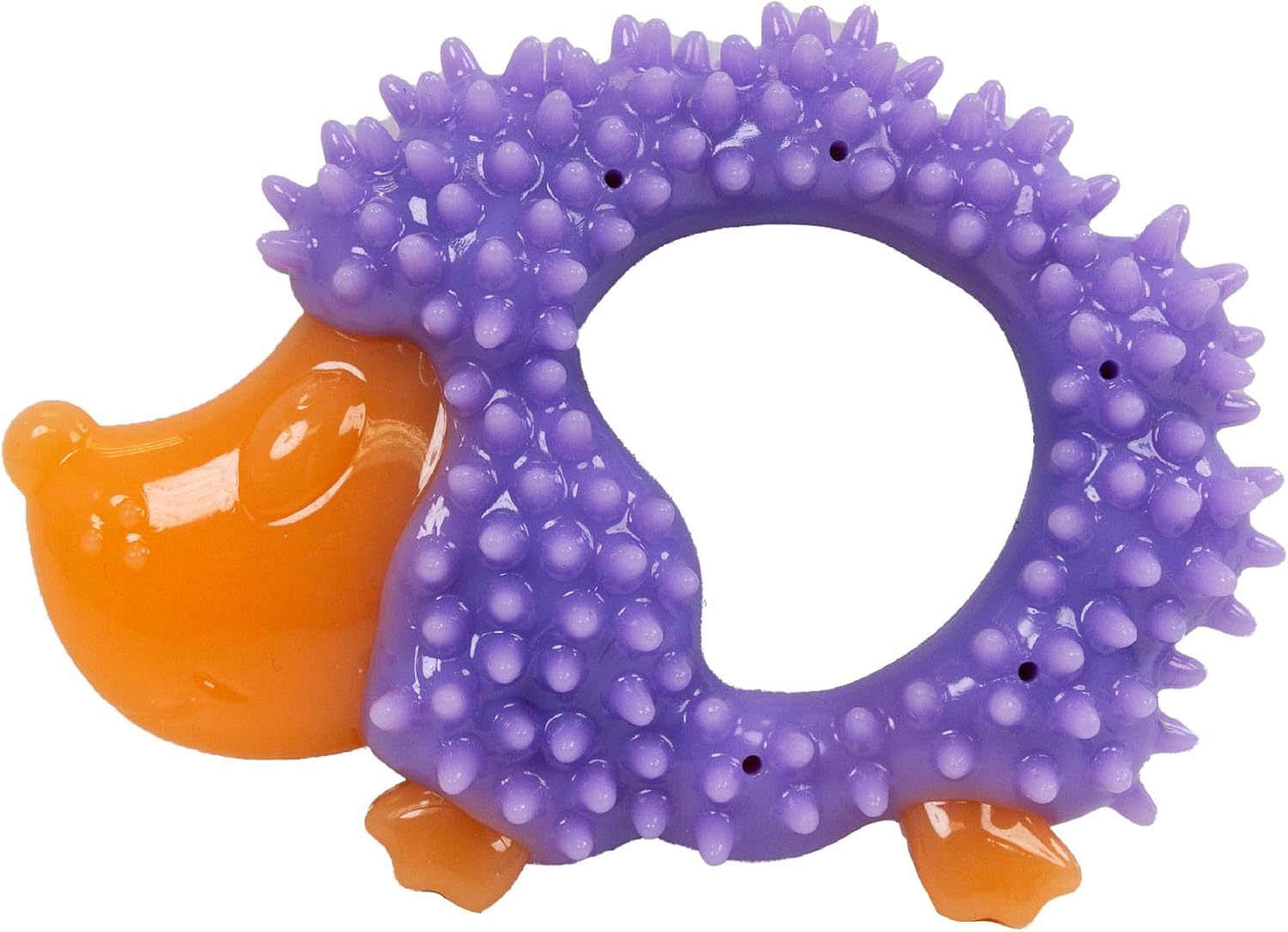
This one is five inches, it bounces, and it floats, which makes it genuinely useful for teething puppies and for water-obsessed dogs. The dental texture gives a puppy something to work on that is not your hand, your shoe, or the other dog's ear.
I want to be straight with you about what this is. It is a puppy and light-chewer toy. Handing it to a dog who has already gutted three tough toys is setting the toy up to lose. Teething is temporary. The chew marks on your baseboards are forever. Buy the toy that matches the mouth you have right now, and buy the heavier one when the mouth changes.
If your puppy is a land shark, rotate this one in for supervised play and fetch, then put it away. It is not a kennel toy for a dog with a plan.
Grannick's Bitter Apple No Chew Spray: not a toy, still essential
You do not spray this on the dog. You spray it on the thing you want left alone: the couch corner, the bandage, the leash, the baseboard that has already lost a fight. Eight ounces.
I keep a bottle in the kennel and a bottle in my training bag. It is the tool that buys you time while the real fix, which is enrichment and a proper chew, takes effect. It is not a punishment and it is not a training method. It is a speed bump.
One note from experience: apply it somewhere out of the dog's sight and let it dry. Fresh spray has a smell that tells a dog exactly what you just did, and a dog who knows what you did will wait you out.
How I test a toy
Every toy on my shelf goes through the same 72 hours, and the clock starts the moment it hits the floor of the kennel, not the moment it comes out of the box. That matters, because a toy behaves differently when it is the only thing in the run versus when it is one of nine things in a basket. Boredom changes the destruction score. So does the dog.
I sort by chew style before I sort by size. There are dogs who gnaw, dogs who rip, and dogs who sit and methodically work a seam like they are picking a lock. A rubber toy survives the gnawer. The ripper needs something with no edges to grab. The lock-picker needs something with nothing inside it to reach.
Then I watch for the three failure signals: a piece that comes off in the mouth, a seam that opens, and a squeaker that suddenly goes quiet. Any of those three and the toy is out. Not downgraded. Out. I have pulled too many squeakers out of stomachs to give a toy a second chance on a technicality.
The last thing I check is whether the dog comes back to it. A toy that survives 72 hours and then gets ignored has failed a different test. Durability without interest is just a paperweight with a paw print on it.
What the testing showed
The toys that last are the ones with the fewest parts. That is the whole pattern. Every failure I have logged came down to a component: a squeaker, a seam, a stuffed body, a hollow core that collapsed under a jaw. When you strip those away, you are left with a solid piece of rubber and nothing to destroy but the surface.
The Dogwood Stick breaks that rule in an interesting way. It does come apart, but it comes apart the way a stick does, in small worn pieces rather than a sudden failure you have to chase down a throat. That is a meaningful difference, and it is why it stays on the supervised list instead of the shelf of shame.
The Hedgehog is the clearest example of matching the toy to the mouth. For a teething puppy it is close to ideal: light, bouncy, textured, easy to redirect. For a committed chewer it is a countdown timer. Same toy, same price, two completely different outcomes depending on the dog in front of it.
Bitter Apple is the outlier because it is not in the durability conversation at all. It does not survive anything. It changes what the dog chooses to put in their mouth, which is a different job. I include it here because most chewing problems are two problems: the dog needs something to chew, and the dog needs something to stop chewing. You solve the first with a toy and the second with time, management, and occasionally a spray.
The dog toy reference table
This is the table I keep on the kennel wall. Match the row to the dog in front of you, not to the dog you wish you had.
| Product | Best for | Chew level | Supervision | Notes |
|---|---|---|---|---|
 Visit on Amazon → Visit on Amazon →Super Durable Dog Ball |
Power chewers, medium and large jaws | Heavy | Optional once sized correctly | Solid natural rubber, no squeaker, nothing inside to lose |
 Visit on Amazon → Visit on Amazon →Pupstages Dogwood Stick |
Dogs who chew wood, furniture, and mulch | Moderate to heavy | Yes | Made in USA, medium, 7.4 inches; wears down by design, so pick up the pieces |
 Visit on Amazon → Visit on Amazon →Cutie Chewies Hedgehog |
Teething puppies, fetch, water play | Light to moderate | Yes | 5 inches, bounces and floats, dental texture; not built for a determined chewer |
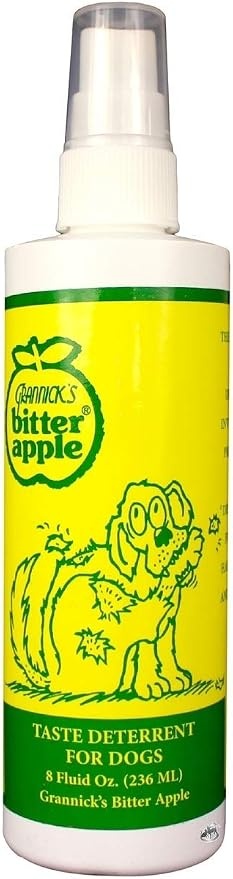 Visit on Amazon → Visit on Amazon →Grannick's Bitter Apple No Chew Spray |
Redirecting chewing away from furniture and bandages | Not a chew toy | Always | 8 ounces; spray the object, not the dog, and let it dry out of sight |
Three toys and one deterrent. That is the rotation. Three toys rotated outlast ten toys dumped in a basket, and I will say that until I am hoarse.
Should you buy the Super Durable Dog Ball?
Yes, if the size fits the jaw. It is the closest thing to a no-brainer in this guide for a dog who has already killed a toy. There is no squeaker to remove, no stuffing to pull out, and the rolling shape keeps the dog working instead of sitting. Measure your dog's mouth before you buy, and buy the next size up if you are between sizes.
Should you buy the Pupstages Dogwood Stick?
Yes for the wood-chewing dog, with one condition: you have to supervise it. This is not the toy you leave in a crate while you go to work. It is the toy you hand over while you are sitting in the same room, so you can pick up the pieces as they appear. For a dog who has been chewing the coffee table, that trade is worth it.
Should you buy the Cutie Chewies Hedgehog?
Yes for a teething puppy or a gentle adult. It bounces, it floats, and it gives a mouthy puppy something better than your hand. No if your dog is a power chewer, and there is no shame in admitting that. Buy the ball instead and save the hedgehog for the next puppy.
Should you buy Grannick's Bitter Apple?
Yes, as part of a plan, not as the plan. If your dog is chewing the couch, you need a chew toy they actually want and a longer walk. The spray buys you the week it takes for that to start working. Used on its own, it just teaches a determined dog to chew the other corner.